

Getting ready to enroll in courses for next semester? If you’re interested in public policy and leadership topics, here are some UVA Batten special topics classes to know for spring 2027! Remember, for Bachelor of Arts students, special topics courses at the 3000-level or higher count towards Batten’s curricular requirements, and for Master of Public Policy students, electives should be at the 5000-level and above.
Hands-on Impact Investing Opportunities
-
 Professor Christine MahoneyExperiential Social Entrepreneurship (LPPS 4735)Partner with the Philanthropy Lab in this special section that gives students the opportunity to deploy over $50,000 in philanthropic capital to real-world high-impact nonprofits in Charlottesville, and work in teams to learn about cutting edge social enterprise models.
-
 Professor Paul MartinNGOs in the Policy Arena (LPPS 4725)This class teaches how foundations and nonprofits are governed and operate. It offers hands-on grant-making experience, a core sector practice. Partnering with a local community foundation, students will help direct $500,000 to local nonprofits. A third goal is deeper expertise in our grant areas: housing and homelessness, food insecurity and justice, and health and mental health care access. Lastly, it invites discussion of foundations’ and NGOs’ role in public policy in modern democracies.
Global Policy
-
 Professor Daniel MoyTerrorism and Counterterrorism (LPPS 3240)The 9-11 attacks ushered in a new era of international terrorism. Over the course of the Bush, Obama, Trump, and Biden administrations, experts have grappled to employ an effective strategy for countering Al Qaeda, ISIS, and their affiliates. This course explores the lessons of this long, troubled chapter, especially through our engagement in Afghanistan, and seeks to apply those lessons to countering future terrorist threats at home and abroad.
-
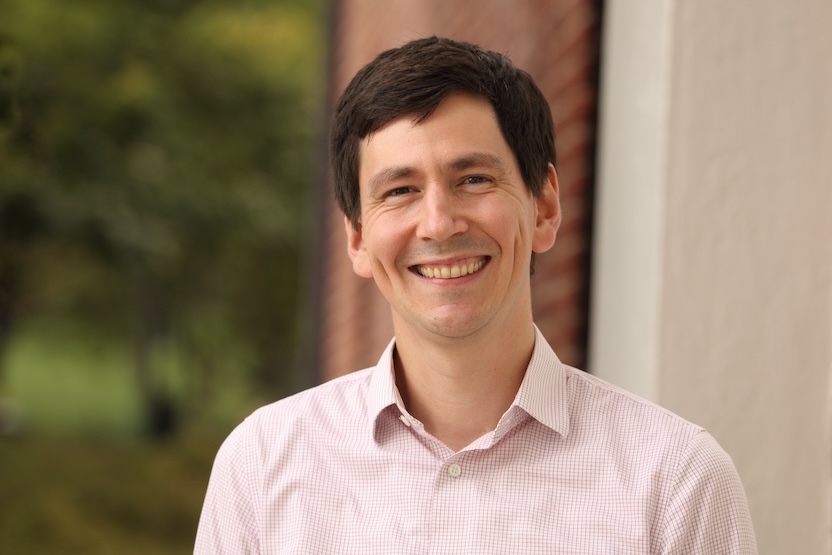 Professor Peter JohannessenPolitics of Development (LPPS 4260)How can we understand patterns of human development around the world? More specifically, how does politics affect health, prosperity and security? Through this course, you will become a critical consumer of explanations for human development and you will learn how to propose and evaluate development initiatives with a keen understanding of the importance of political factors.
-
 Professor Elana DelozierNuclear Weapons & Proliferation (LPPP 7125)This course examines the technical, political, and strategic dimensions of nuclear weapons and global non-proliferation. Students analyze why states pursue or relinquish nuclear programs, evaluate the international treaties and safeguards designed to prevent spread, and assess modern security challenges in volatile regions. Combining deterrence theory with practical case studies, the seminar prepares students to debate and address complex nuclear policy threats in foreign affairs.
-
 Professor John RobinsonInnovating for Defense (LPPS 7184)This experiential course pairs students from the Schools of Law, Engineering, and Public Policy with U.S. Department of Defense (DoD) problem sponsors to address real-world national security challenges. Through student research, stakeholder interviews, and engagements with outside experts, each team develops policy recommendations for its sponsor's organization. Recent sponsors include the National Security Agency, U.S. Strategic Command, and the U.S. Air Force's Office of Operational Energy.
-
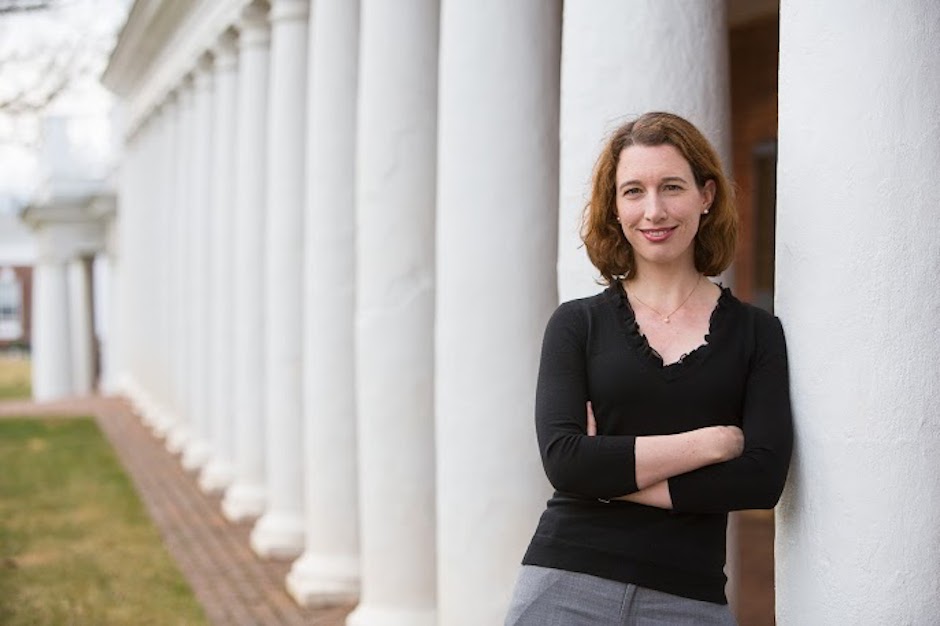 Professor Molly LipscombPoverty Reduction: Designing Effective Aid Policy (LPPS 7260)Why are some countries poor and how can growth be increased? How do we ensure basic services for the poorest? This course examines capacity, demand, and influence in development, covering poverty, inequality, and growth. Topics include land, labor, credit, human capital, environment, urbanization, risk, decentralization, and corruption. Students test theories of effectiveness, design anti-poverty programs, and write policy memos.
-
Professor Elana DelozierFundamentals of International Political Analysis (LPPP 7630)In this immersive course, students will become a team of international political analysts for the semester. After selecting a specialization to pursue, students will learn how to collect and evaluate knowledge, interview experts, organize their ideas, and write and brief decision-makers. This course will provide valuable experience for those interested in careers in international relations, foreign policy, public policy, media, or related fields.
Domestic Policy
-
Professor Paul MartinNGOs in the Policy Arena (LPPS 4725)This class teaches how foundations and nonprofits are governed and operate. It offers hands-on grant-making experience, a core sector practice. Partnering with a local community foundation, students will help direct $500,000 to local nonprofits. A third goal is deeper expertise in our grant areas: housing and homelessness, food insecurity and justice, and health and mental health care access. Lastly, it invites discussion of foundations’ and NGOs’ role in public policy in modern democracies.
-
 Professor Kyle S. H. DobsonPolice-Community Relations: Improving Interactions (LPPS 5380)This course explores the complexities of contemporary U.S. law enforcement dynamics, addressing how negative citizen encounters disrupt public trust and confidence. A main pillar of the program involves utilizing human-centered design thinking to analyze and build pathways that enhance police-community relations and bolster overall community wellness.
-
 Professor Ashley JardinaPublic Opinion and Public Policy (LPPS 6880)Consider the effect of public opinion on policy in the U.S. What do policymakers believe about citizens' preferences? Whose opinion matters, when does it matter, & why? Do policies always reflect the majority? How has partisan polarization affected policy-making in recent years? Examine questions through lens of some of today's most pressing issues, including immigration policy, social welfare programs, military spending, abortion, & more.
-
 Professor Ben GoehringExecutive Policymaking in Richmond and Washington (LPPP 7130)The course provides an inside look at how executive branch decisions are made, shaped, and implemented at both the state level (Richmond) and the federal level (Washington, D.C.). Students analyze the institutional powers, political strategies, and administrative tools governors and presidents use to enact policy and lead public agencies.
Two different opportunities in Social Entrepreneurship
-
 Professor Tiago RatinhoExperiential Social Entrepreneurship (LPPS4735)Tuesday (2-4:30 p.m.)Partner with a real social enterprise and tackle a challenge that matters. You'll investigate problems, engage stakeholders, develop and test solutions, and work alongside entrepreneurs to turn promising ideas into action. Experience the uncertainty, creativity, and collaboration of social entrepreneurship firsthand.
-
Professor Christine MahoneyExperiential Social Entrepreneurship (LPPS 4735)Monday (12:30-3 p.m.)Partner with the Philanthropy Lab in this special section that gives students the opportunity to deploy over $50,000 in philanthropic capital to real-world high-impact nonprofits in Charlottesville, and work in teams to learn about cutting edge social enterprise models.
If you’re thinking about applying to UVA Batten undergraduate programs and what prerequisite courses you should consider for spring 2027, read more here.
You can check Student Information Systems (SIS) or Stellic for the most up-to-date information about UVA Batten’s course offerings. New courses will continue to be added, so be sure to check back. And if you have questions, please do not hesitate to reach out to the Academic Operations team at BattenAcademics@virginia.edu.


