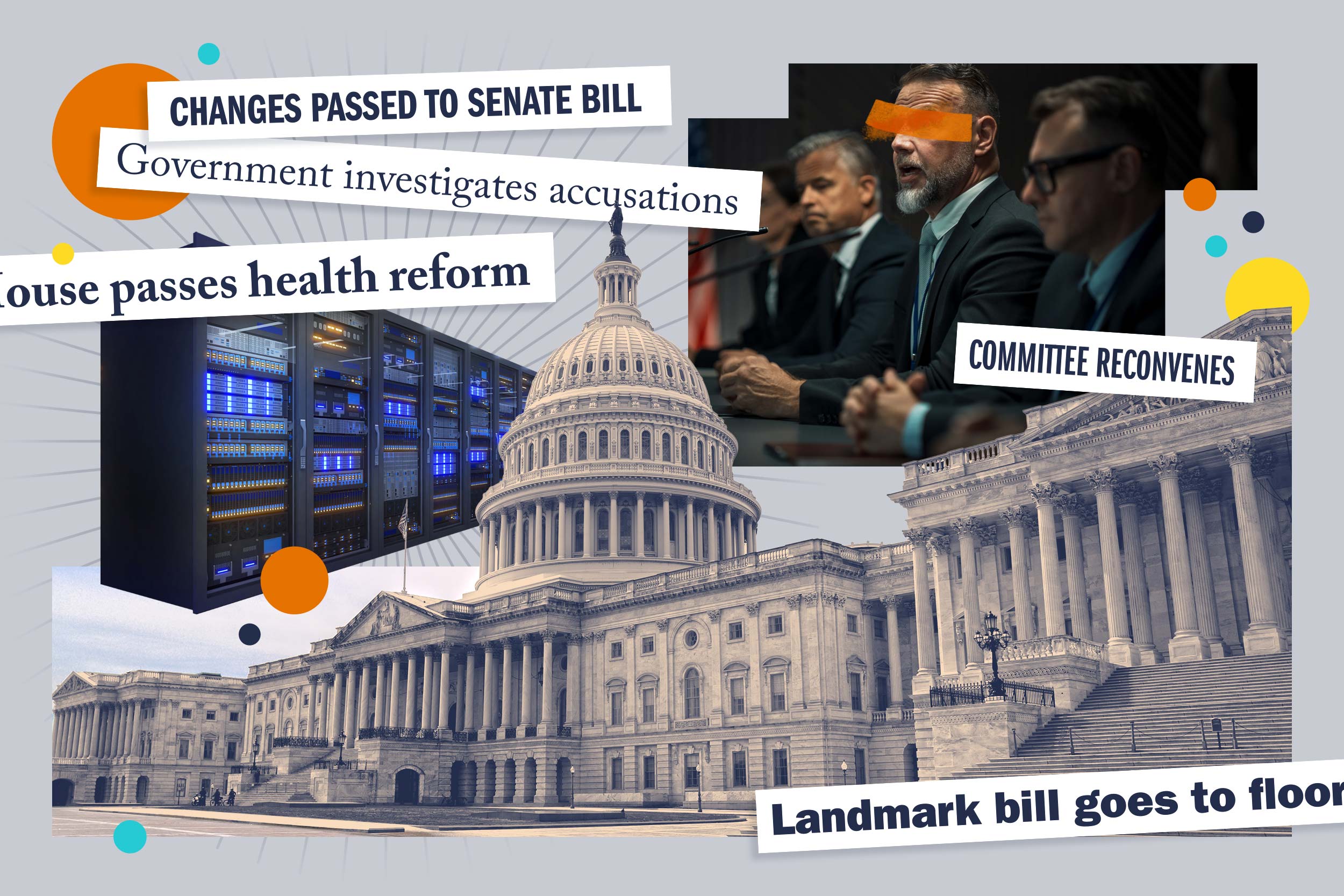
How can legislative staffs help their members of Congress become effective lawmakers? One way is by checking his or her Legislative Effectiveness Score.
We have studied lawmakers in the U.S. House of Representatives across the last 40 years. We trace each and every bill they sponsored and score the effectiveness of members. Our Legislative Effectiveness Scores are based on how far representatives’ proposals move through the lawmaking process, and on the importance of those proposals. These scores shed new light on the workings of Congress.
The Legislative Effectiveness Score allows us to identify common characteristics and habits of effective lawmakers. We create benchmark scores for members based on various factors including: being in the majority or minority party, tenure, and service as committee or subcommittee chairs. We then identify whether each member meets, exceeds, or falls below these benchmark expectations.
These scores provide data that can be used to better recruit more effective lawmakers, assist legislators in becoming more effective, and inform voters about the relative effectiveness of their elected representatives.
Among our many findings, we’ve established that women are often more effective, particularly when in the minority party. We’ve found that lawmaking experience at the state legislature is beneficial, but only if it is in a professional, full-time legislature. And we are currently exploring how lawmaker effectiveness is enhanced by their tenure as committee and subcommittee chairs, their bipartisan tendencies, and the educational backgrounds.
Using Legislative Effectiveness Scores, we’ve identified five habits of the most effective lawmakers. These habits provide a recipe for future success.
Habit 1: Develop a legislative agenda rooted in personal background, previous experiences, and policy expertise.
Habit 2: Develop a legislative agenda tightly focused on district needs.
Habit 3: Be entrepreneurial with positions of institutional power.
Habit 4: Be open to compromise, even with those who are not natural allies.
Habit 5: Cultivate a broad set of allies, even beyond the House.
Beyond being useful in developing lawmaking strategies, Legislative Effectiveness Scores have been featured in congressional campaigns.
We are now turning part of our research agenda toward an understanding of how staff and the organization of legislative offices can contribute to lawmaking effectiveness.