The conviction of former police officer Derek Chauvin for the murder of George Floyd marks a turning point, say Batten’s Brian N. Williams and Carmen J. Williams, a third-year law student at the UVA School of Law. The path forward requires enacting needed reforms and courageous leadership by prosecutors and others, they say.
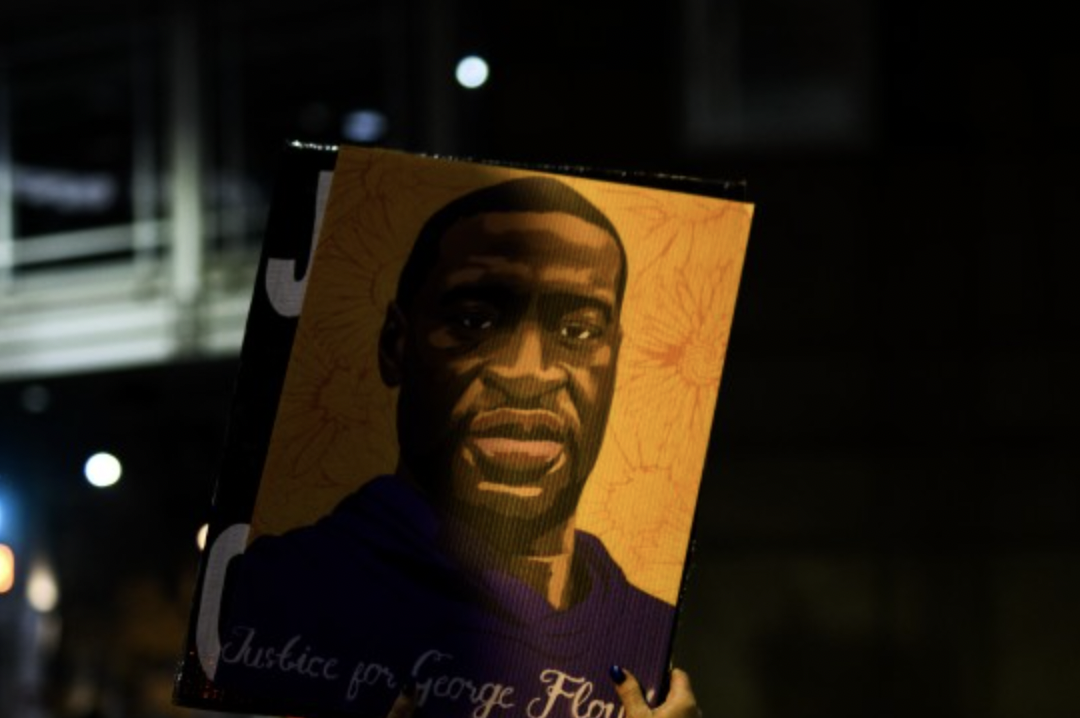
The conviction of Derek Chauvin for the murder of George Floyd represents another inflection point—an opportunity for corrective action. In our “Land of the Free,” yet another man is in the bag and another stain is on our flag, to paraphrase the song.
“I can’t breathe” is a haunting yet revealing and fitting phrase that reflects the current state of relational policing in this era of Black Lives Matter.
But is this phrase a foreshadowing one? Will it result in the death of public trust and confidence in our institutions of government and governing and those intimately involved in these efforts?
I can’t breathe … How did we get here? Where do we go from here?
The death of George Floyd and so many others serve as perplexing and defining moments that reveal the commitment, or lack thereof, of individuals, professions, and institutions. The actions and inactions of these moments reveal what is valued. They speak, as Emerson noted, so loudly that others can’t hear what is being said. Consequently, things remain unchanged.
This current inflection point is a turning point. At this latest juncture of administrative evil and administrative racism, we have an opportunity to go in one of two directions: forwards or backwards.
The path forward is a path of temporary discomfort that can lead to progress and eventual peace. The path backward is a path that leads to pain and demise—both literally and figuratively. Going back will result in turmoil, unrest and deaths of people, our institutions, and our sense of being one nation, under God, indivisible, with justice and liberty for all.