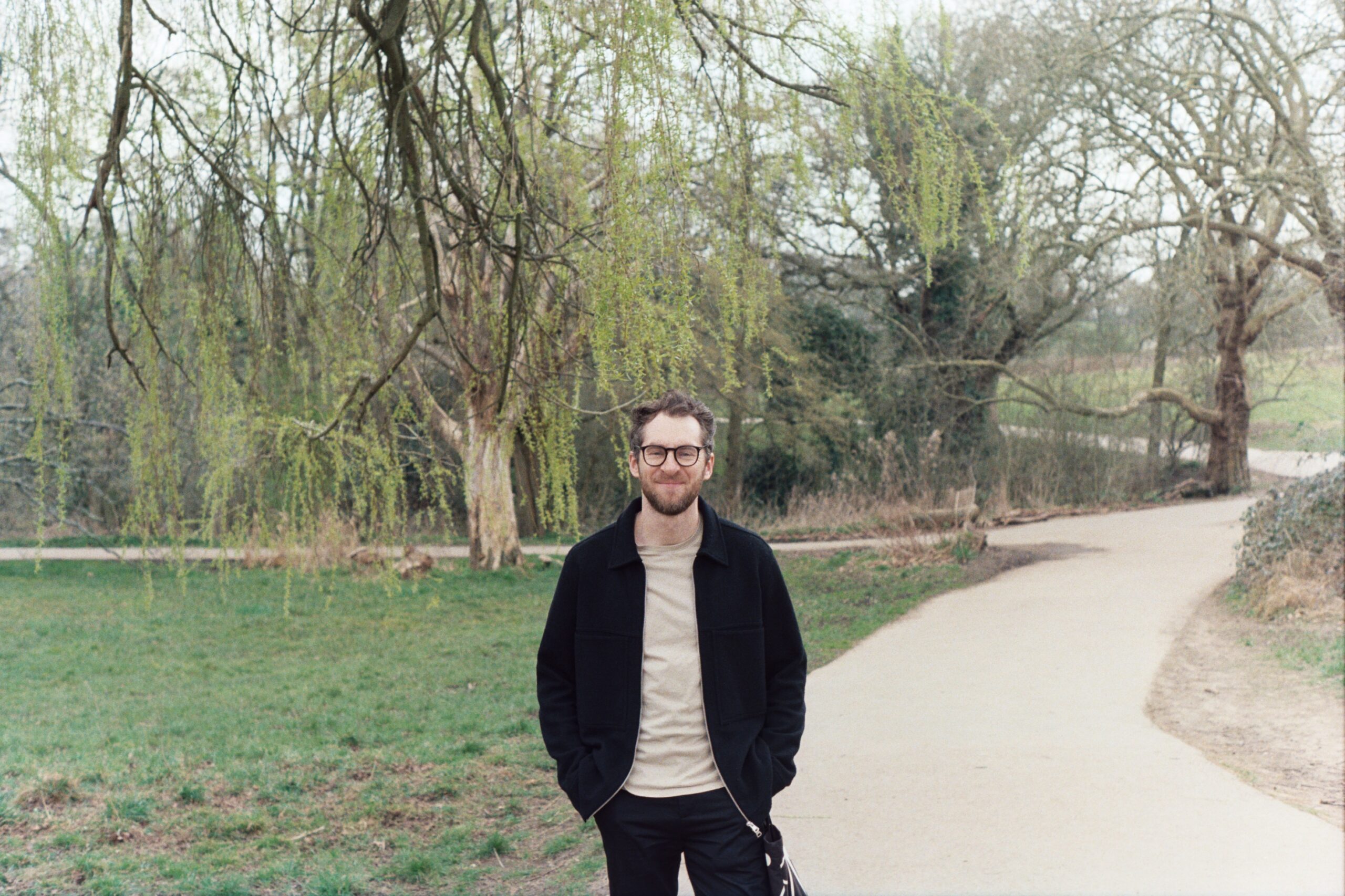
Marlena Becker (BA ’21) shares how she helped redesign Batten Builds to start better addressing the needs of the Charlottesville community.
Every year, Batten students, faculty, and staff participate in Batten Builds, a day-long event dedicated to serving others. The tradition has existed for more than a decade, but this year’s version looked decidedly different—and not only because it took place virtually. With help from fellow students Alec Scicchitano (BA ’21) and Jasmine Rangel (MPP ’21), Marlena Becker (BA ’21) redesigned the event to include educational programming about issues with equity in the Charlottesville community, calling on an array of local experts to share their knowledge about everything from food security to policing. We spoke with her about what it was like to re-imagine a classic Batten event during a time of crisis for our country.

What inspired you to incorporate education about Charlottesville into Batten Builds?
I’m from Charlottesville—I’ve lived here my whole life—but volunteering as a UVA student here is complicated. There are ways in which the University has exacerbated the inequities in the community, and I wasn’t tapped into that when I was growing up, which is definitely tied to the privilege I’ve had as an upper middle class white person. At UVA, I think many of us are also guilty of seeing Charlottesville as a backdrop to the University, rather than as a community that holds its own challenges and strengths. Something that I’ve come to see as important in service is context: People need to understand where they’re volunteering and why. I noticed that there didn’t seem to be an event regularly wrapped into the Batten programming that explicitly focused on education about the Charlottesville community, and that’s when I got the idea to add the education pieces to Batten Builds.
The pandemic struck while you were in the midst of the planning process. How did you adjust?
At first, we were still hoping to do in-person service, so we planned to help with outdoor projects like building beautification and yard work. But as the summer went on, it became clear that the best thing we could do for Charlottesville was to just stay home. For an event where the core mission is to show appreciation for the community, it felt especially counterproductive to increase the risk of spreading covid, especially since many students had just returned from places all over the country.
The good thing was that we came up with really creative ways to support our community partners from afar. The Haven, a shelter for unhoused people, told us they needed hygiene products, so we did a supply drive for things like body wash and hand sanitizer. We also had a lot of virtual service options. People could support USPS by buying stamps and writing a letter to someone they love, or they could start the process of voting or write to their representatives. People could participate in an advocacy module from the Greater Charlottesville Habitat for Humanity, which equips you to be an advocate for affordable housing. Camp Holiday Trails, a camp for kids with disabilities, asked for volunteers to look over their new business plan and offer feedback.
It’s been said that we’re experiencing two crises: COVID-19 and the crisis of police violence in America. How did our country’s new reckoning with racial inequities influence the way you planned the event?
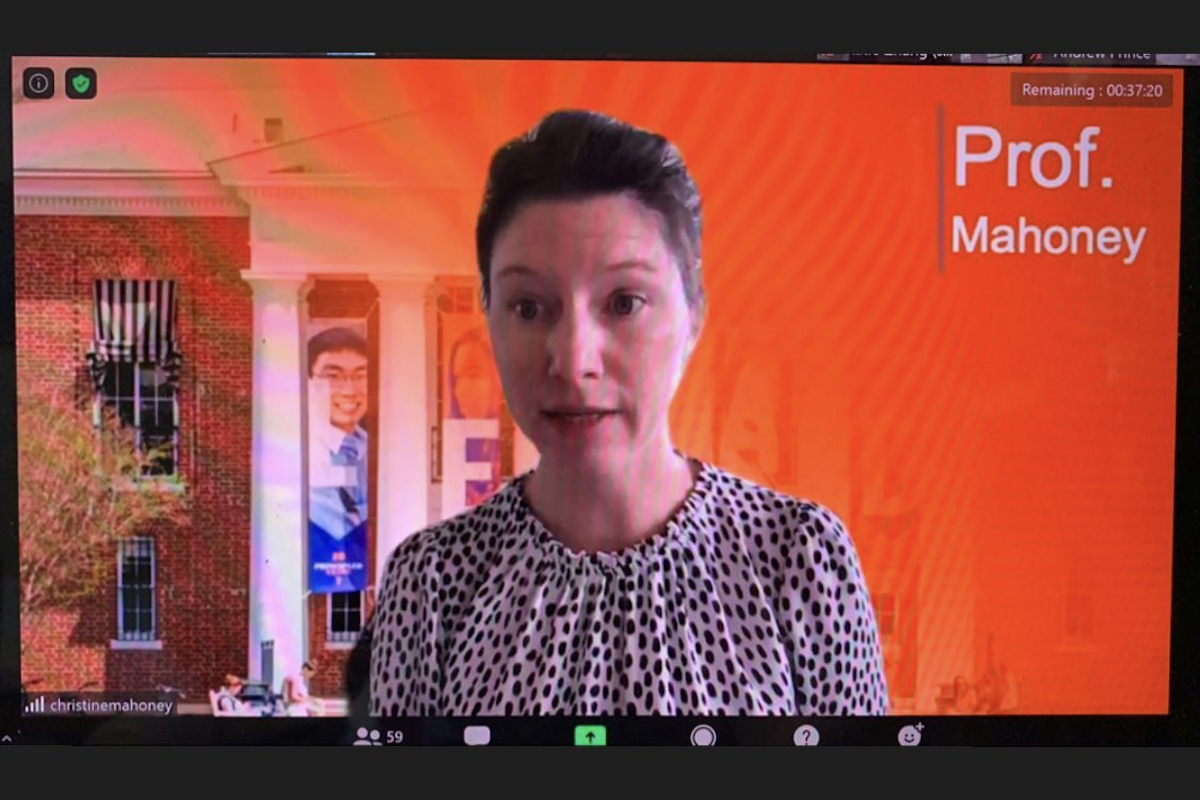
With the killings of Ahmaud Arbery, Breonna Taylor, and so many others at the forefront of our minds, it felt urgent and necessary to discuss the systemic issues that lead to a need for service. We knew that not only did we have to provide context, but we also needed to look at issues in the Charlottesville community through an equity lens. As we were choosing speakers, we were really mindful of the voices we wanted to highlight, and we made sure that they spoke about their areas of interest from an equity perspective. So Dr. Michael Williams spoke about equity in healthcare and Christine Mahoney spoke about the racial history of Vinegar Hill and Elaine Poon from the Legal Aid Justice Center spoke about equity and the law. We also came up with a guide for remote engagement that included anti-racism resources, so that we could say to students, “Start your journey here.”
But I think the other really important thing to note is that all of us know this is not enough. This is a very, very small first step in a long process of shedding light on racial inequity and its intersections with other types of inequity in Charlottesville.
How do you imagine Batten Builds will continue to evolve?
Our focus for the rest of the year is going to be looking at building sustained and meaningful partnerships, rather than just one-off, day-long events. I think the service we provided to Camp Holiday Trails is a great example of how we’re starting to do this. They’ll be writing three business plans, and now that we’ve provided feedback on the first, they’ve asked us to review the next two as well.
While an afternoon of service is great, what we’ve heard over and over again from our community partners is that anything that’s a little more sustained is going to be way more meaningful. We’re so happy that Batten Builds was a success. But we have a long way to go, and the work is just getting started.